RABBIT FIRST AID
Common supplies.
Common uses.
A quick, practical reference for items rabbit owners and breeders commonly keep in a first-aid kit.
01 · SUPPORT & RECOVERY
Feeding and minor first aid
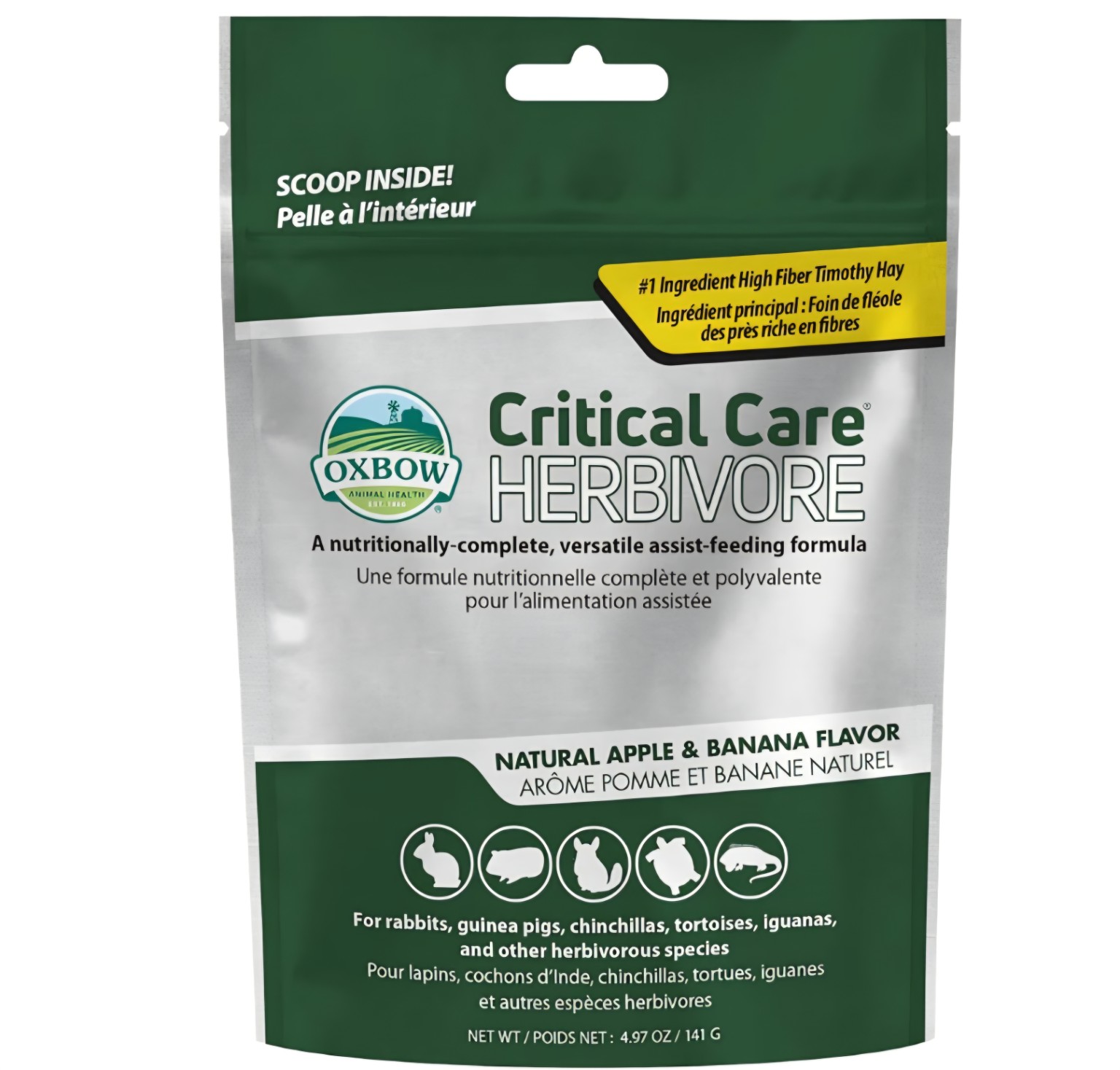
- Oxbow Critical CareRecovery food used to provide nutritional support when a rabbit is not eating normally.
- Infant simethicone gas-relief dropsCommonly kept for gas discomfort and digestive support.
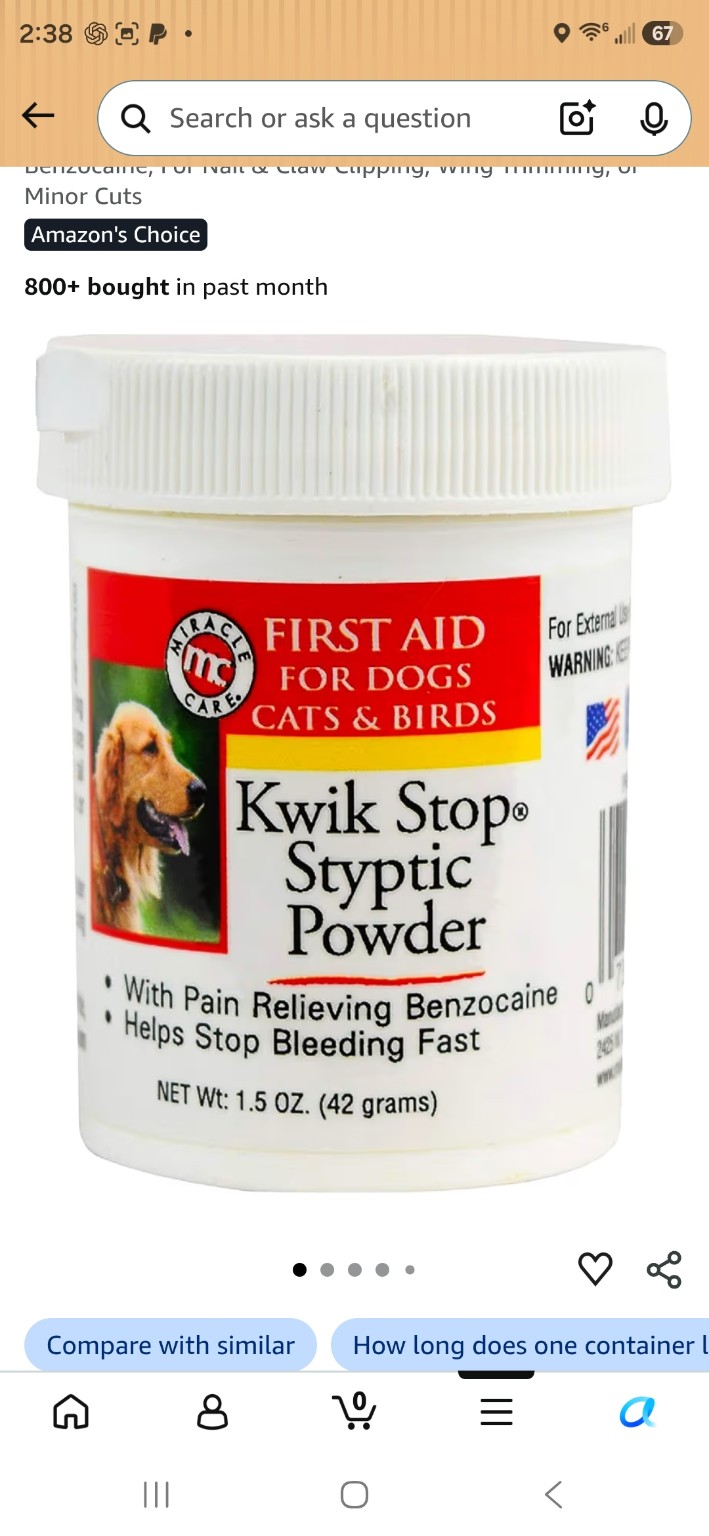
- Styptic powderUsed to help stop minor bleeding from a clipped nail.
- Digital thermometerUsed to check and track body temperature.
- Oral syringesUsed to give measured liquids or prepared recovery food.
02 · PARASITES
Common parasite products
- Corid (amprolium)Commonly used for coccidia.
- FenbendazoleCommonly used for certain internal parasites and in the management of E. cuniculi.
- IvermectinCommonly used for certain mites and other parasites.
- SelamectinCommonly used for fleas and certain mites.
- Advantage (imidacloprid)Certain formulations are commonly used for flea control.
04 · EMERGENCY SIGNS
Know when it is urgent
Contact a rabbit-experienced veterinarian or emergency clinic immediately for:
- Not eating, sharply reduced appetite, or few or no droppings
- A hard, swollen, or painful abdomen
- Loud tooth grinding or sudden aggression with a tense posture
- Open-mouth breathing, heatstroke signs, seizure, collapse, or severe weakness
- Head tilt, heavy bleeding, a deep bite, or suspected broken bone
- Watery diarrhea, fly eggs, maggots, or possible poison exposure
Never use Frontline (fipronil) on a rabbit.Fipronil can cause severe poisoning in rabbits. Treat accidental exposure as an emergency.
© 2026 Heart Hopper Giants LLC. All rights reserved.